

July 15, 2026
Storm Damage Recovery
Summer storms are here! They are already impacting Midwest farmers. According to Farm Journal Agronomist Ken Ferrie (1), recent heavy rainfall and hail have turned what was a genuinely nice season into an unfortunate episode requiring immediate triage.
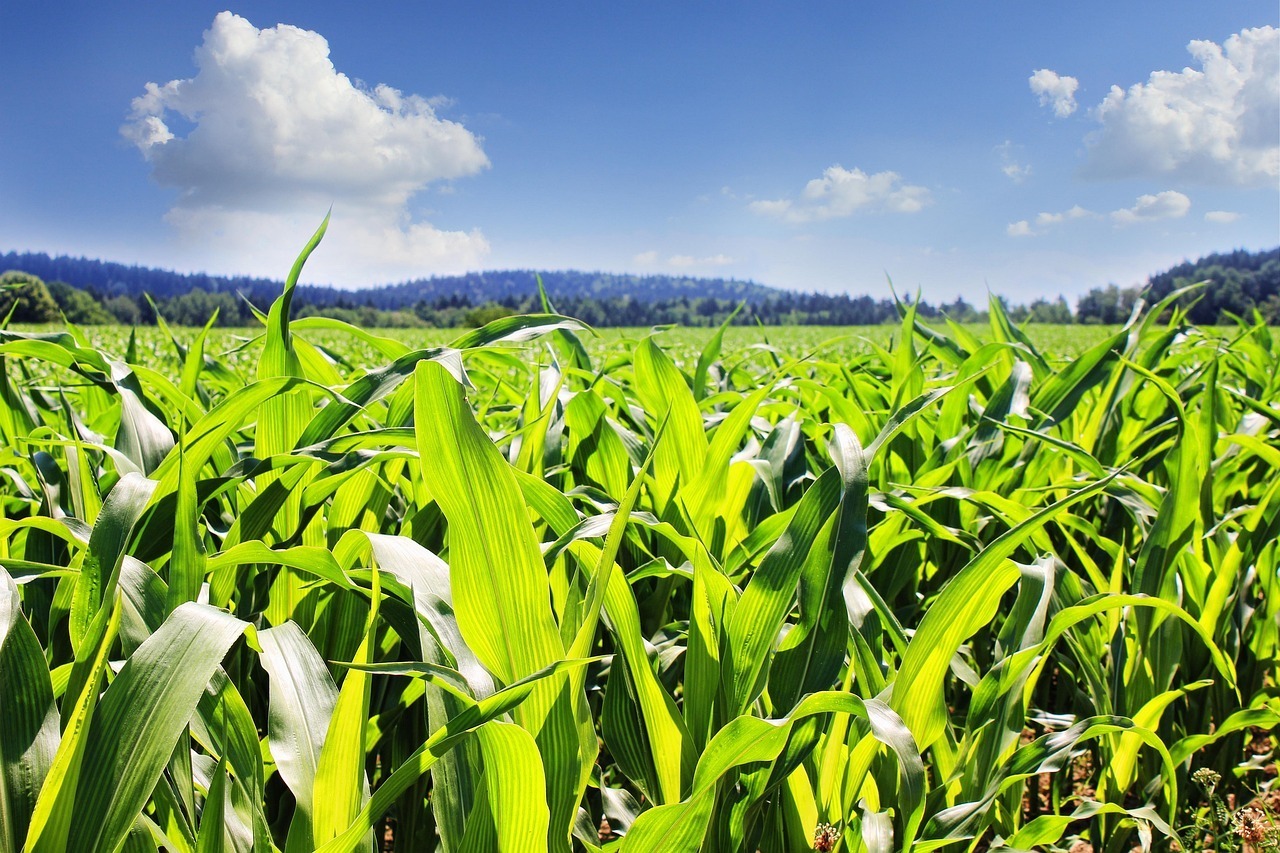
Recent storms, especially in central Illinois, are devastating farmers. Ken Ferrie urges farmers to shift into strategic triage thinking mode to address nutrient deficiencies, disease pressure and weed problems asap. As we know, “triage thinking mode” is the process of prioritizing the recovery needs of the corn and soybean crops severely damage by hail and flooding.
According to Ken, corn fields recovery priorities can be assessed by thoroughly understanding the symptomatic color of the damaged plants. Color patterns signal different nutrient deficiencies in corn. Soybean crops display different symptoms from corn, but these symptoms are telling of what the plants need.
For corn, primary symptomatic color patterns are: (1)
- Plants turning pale green to yellow from top to bottom with lower leaves being tinted with orange. This color pattern indicates direct oxygen starvation and root injury. These plants will remain nonproductive if conditions do not improve quickly.
- Plants that are green at the soil level with yellow tops and distinct striping in the leaves. This pattern is an indication of sulfur deficiency.
- Plants with light green plant tops and lower leaves with burning down the midrib. This pattern signals nitrogen deficiency.
In soybeans, Ken notes that many fields have endured hail, have saturated soil and are beginning to face elevated disease and weed pressure. No matter the condition of the plants in the field, Ken advises “never walk away from a growing crop.”
Effects of Heat Stress on Almonds
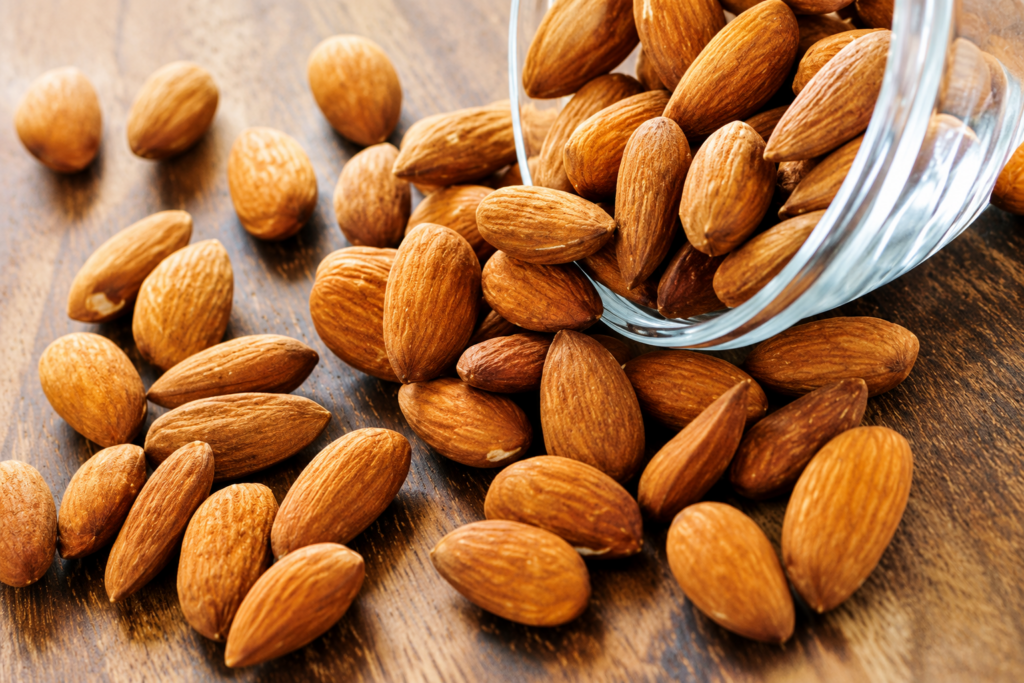
Heat stress has numerous effects on almonds. Each of these effects is important to the quality and quantity of nut yield each season. Each of these effects is also important to maintain nut yield year after year.
The most recognizable heat stress effect is increased water stress resulting from transpiration demand. Water stress results in diminished kernel filling.
Less recognizable but important is the tree’s use of stored carbohydrates instead of photosynthate carbohydrates. This shift in balance toward stored carbohydrates occurs because stomatal closure resulting from heat stress reduces photosynthetic production in the leaves.
Taken together, these two effects result in reduced crop yield weight on a seasonal basis followed by reduced tree carbohydrate reserves year after year.
Effects of Heat Stress on Almonds
Heat stress has numerous effects on almonds. Each of these effects is important to the quality and quantity of nut yield each season. Each of these effects is also important to maintain nut yield year after year.
The most recognizable heat stress effect is increased water stress resulting from transpiration demand. Water stress results in diminished kernel filling.
Less recognizable but important is the tree’s use of stored carbohydrates instead of photosynthate carbohydrates. This shift in balance toward stored carbohydrates occurs because stomatal closure resulting from heat stress reduces photosynthetic production in the leaves.
Taken together, these two effects result in reduced crop yield weight on a seasonal basis followed by reduced tree carbohydrate reserves year after year.
Which product should I use?
Grower’s stories tell about each of the products found to be successful (3). These includeGuarantee Ag 0-0-1 Ascophyllum nodosum extract which assisted in the recovery of hail damaged wheat in Nebraska.
OMRI Listed>Guarantee 0-0-6Ascophyllum nodosum extract which is known for its contribution to potassium stomatal control during drought and heat conditions.
Guarantee Complex 0.2-0-6 Ascophyllum nodosum extract which contains potassium and amino acids. This product combats the carbohydrate draining effects of hot days and warm nights (4).
Newest among our family of products is Stress RX Ag 6-0-1containing Ascophyllum nodosum, nitrogen and a performance boosting dosage of proprietary osmo protectants. Stress RX Ag 6-0-1 is targeted for maintaining plant cell turgor under the toughest conditions.
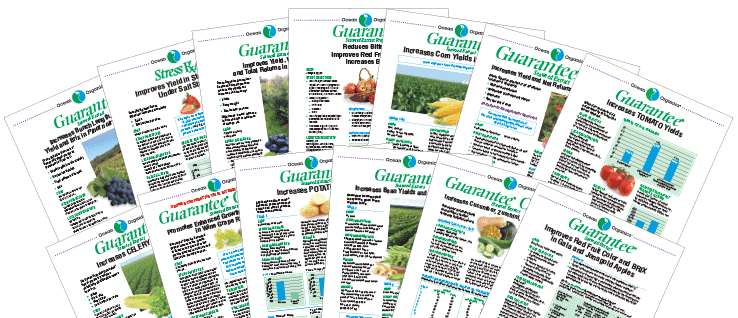
See Our Complete Line of Plant Health Solutions

Art Dawson, Ph. D.

Greg Cosman, BSc. Agr.


Member of the Maine Seaweed Council
Copyright ©2026 Ocean Organics – all rights reserved.
The Ocean Organics wordmark and stylized logo are registered trademarks of Ocean Organics